- The Rod Letter
- Posts
- When the World Finally Caught Up to Constantine, Including Me!
When the World Finally Caught Up to Constantine, Including Me!
Why a misunderstood 2005 film now feels more relevant than ever.

Rodrigo Roque IV
January 20, 2026
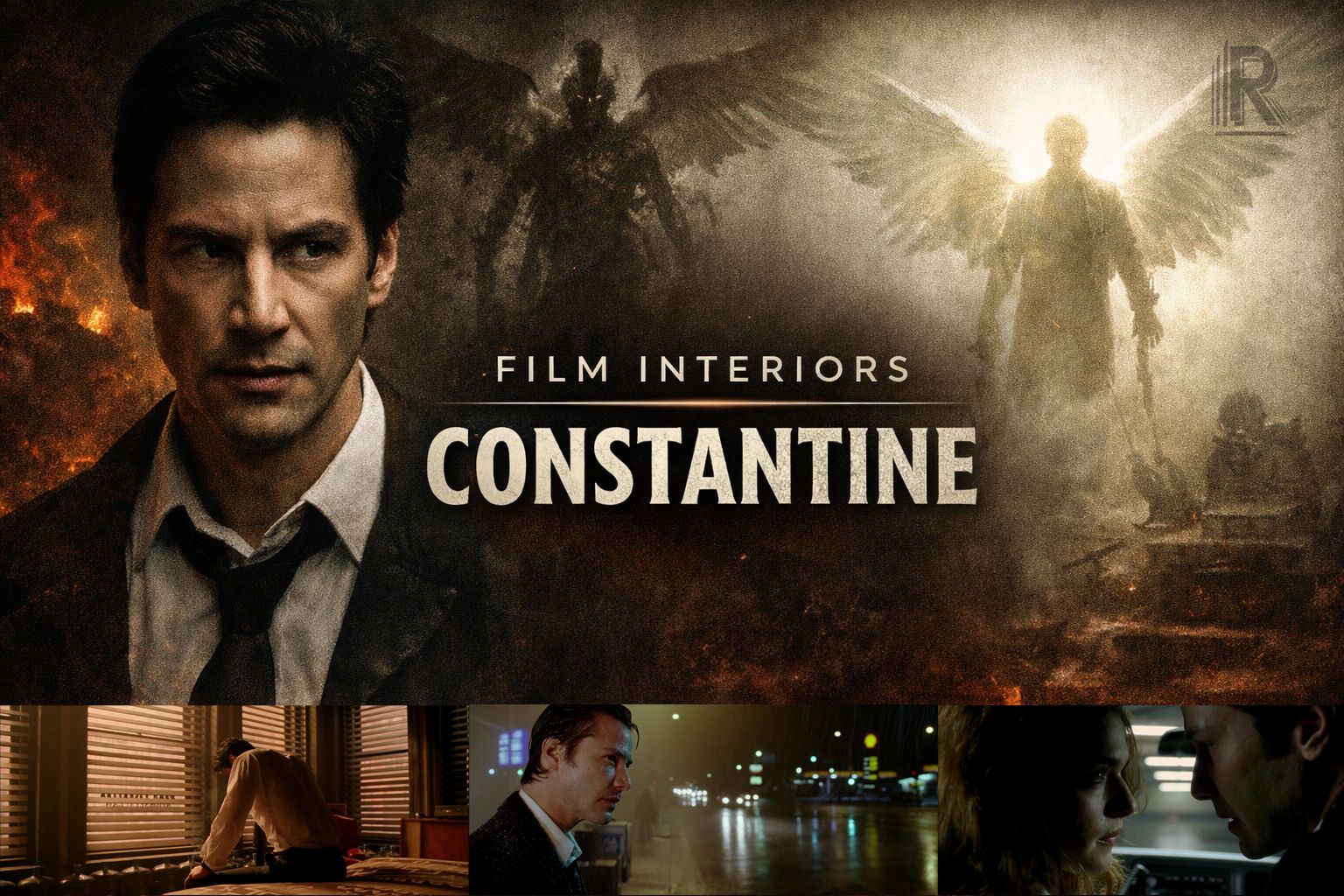
Some films don’t age because they were ahead of their time.
They age because the world eventually catches up to them.
Constantine is one of those films.
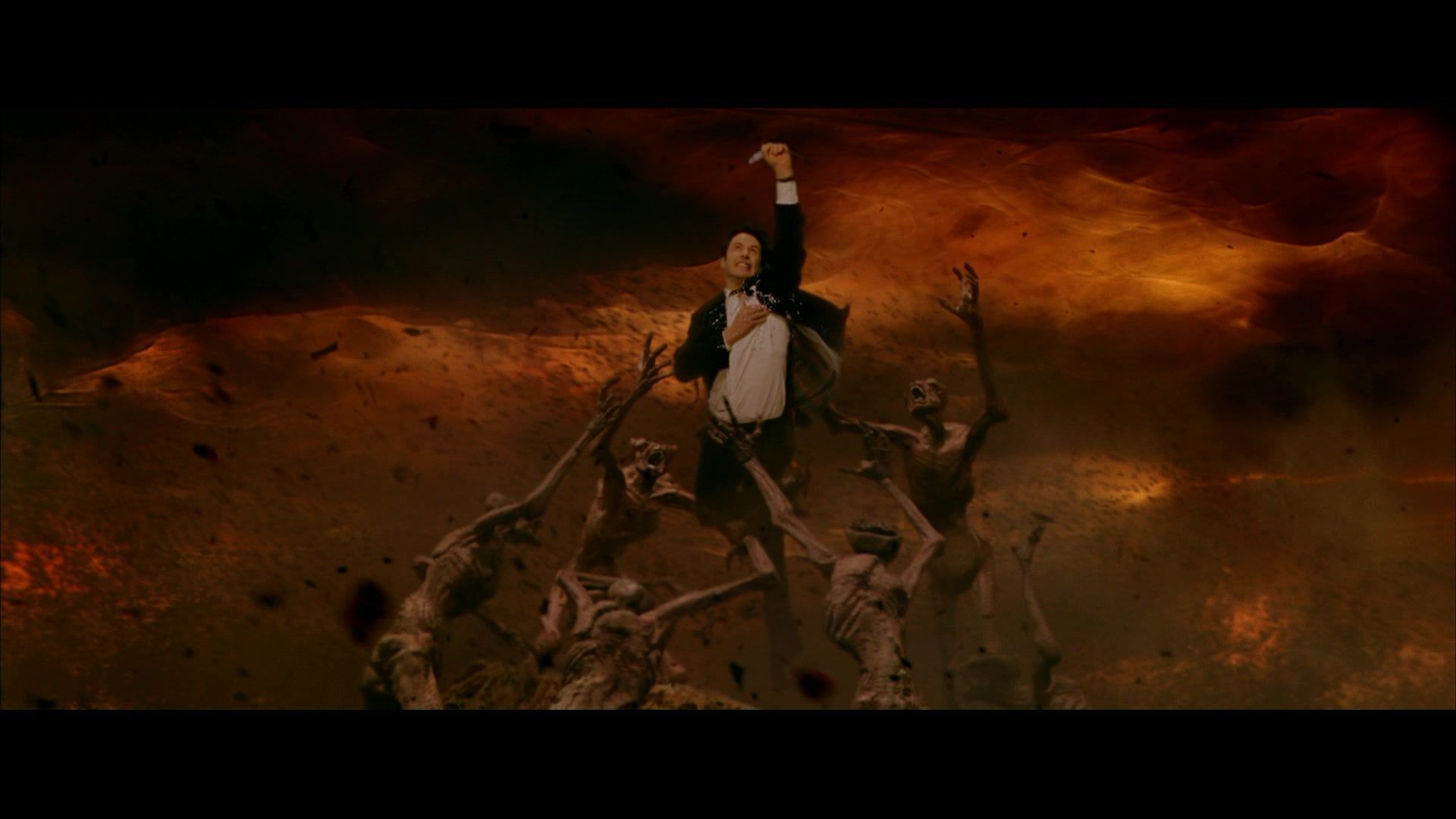
Released in 2005, it was initially misunderstood, criticized for not being comic-accurate, too bleak, too strange, too slow for a blockbuster era obsessed with spectacle. And yet, nearly twenty years later, it feels sharper, more intentional, and more relevant than most modern genre films.
I’ve been revisiting older films for inspiration, and Constantine didn’t just hold up, it improved.
The Look: Controlled Decay
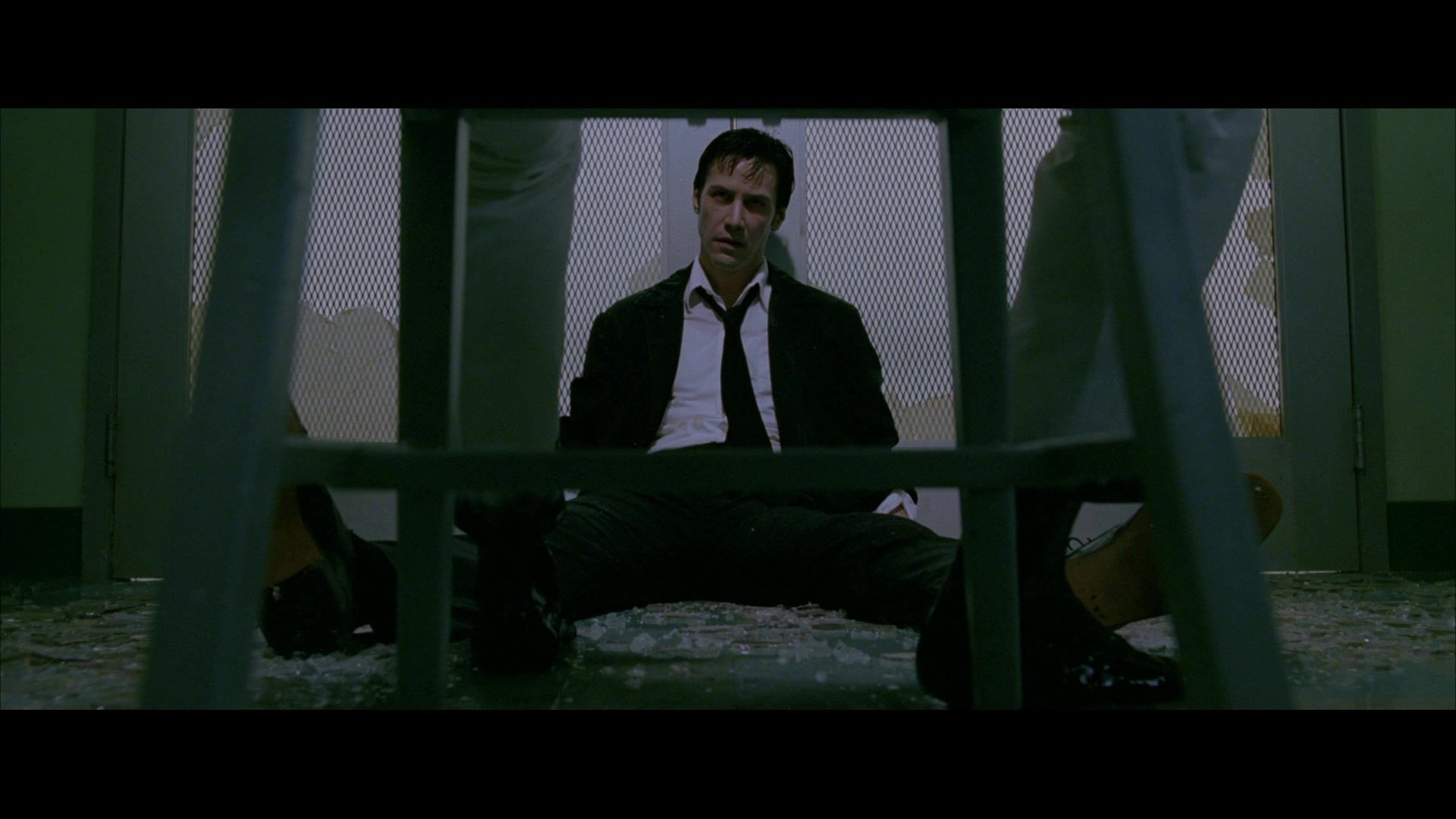
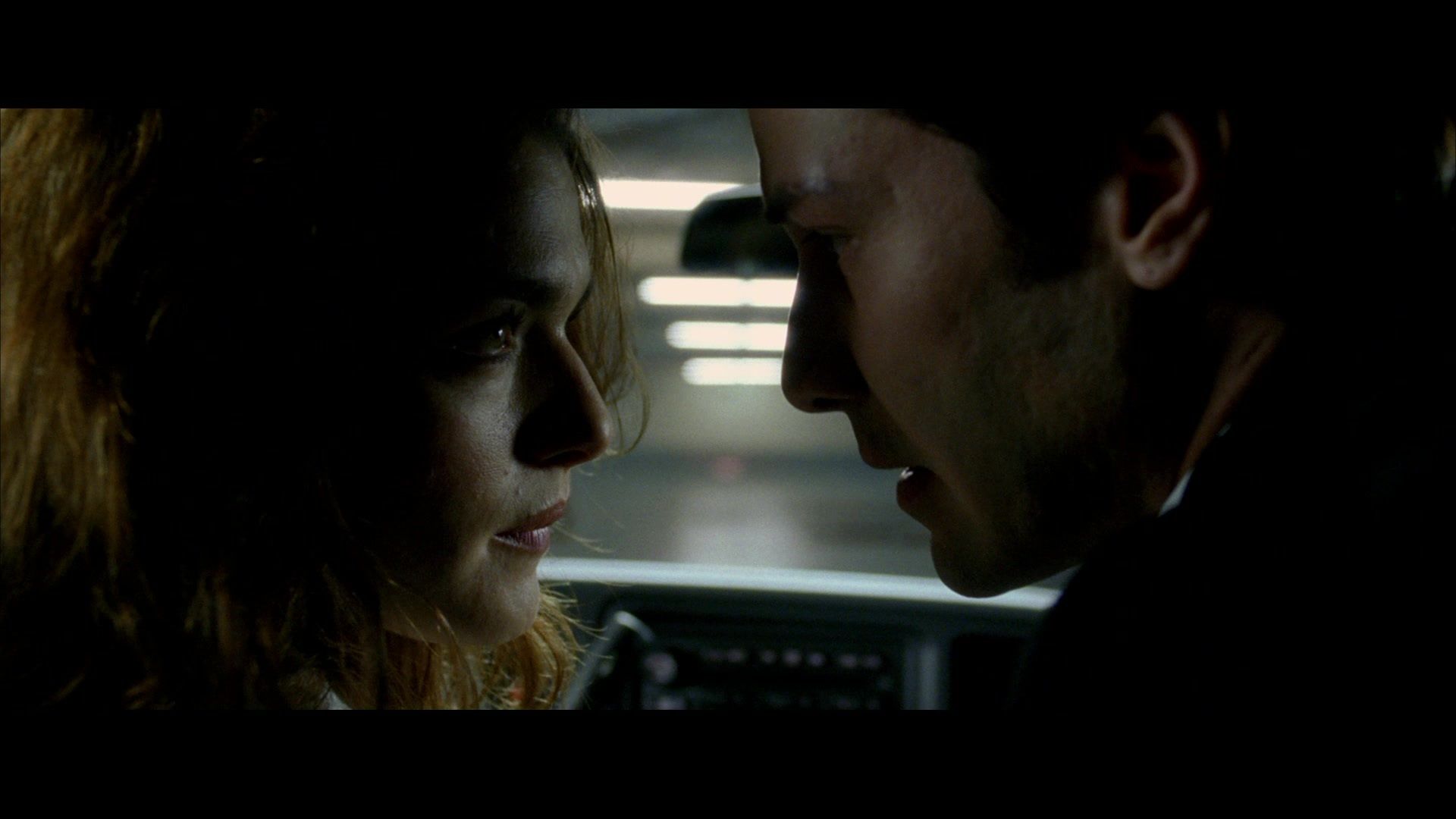
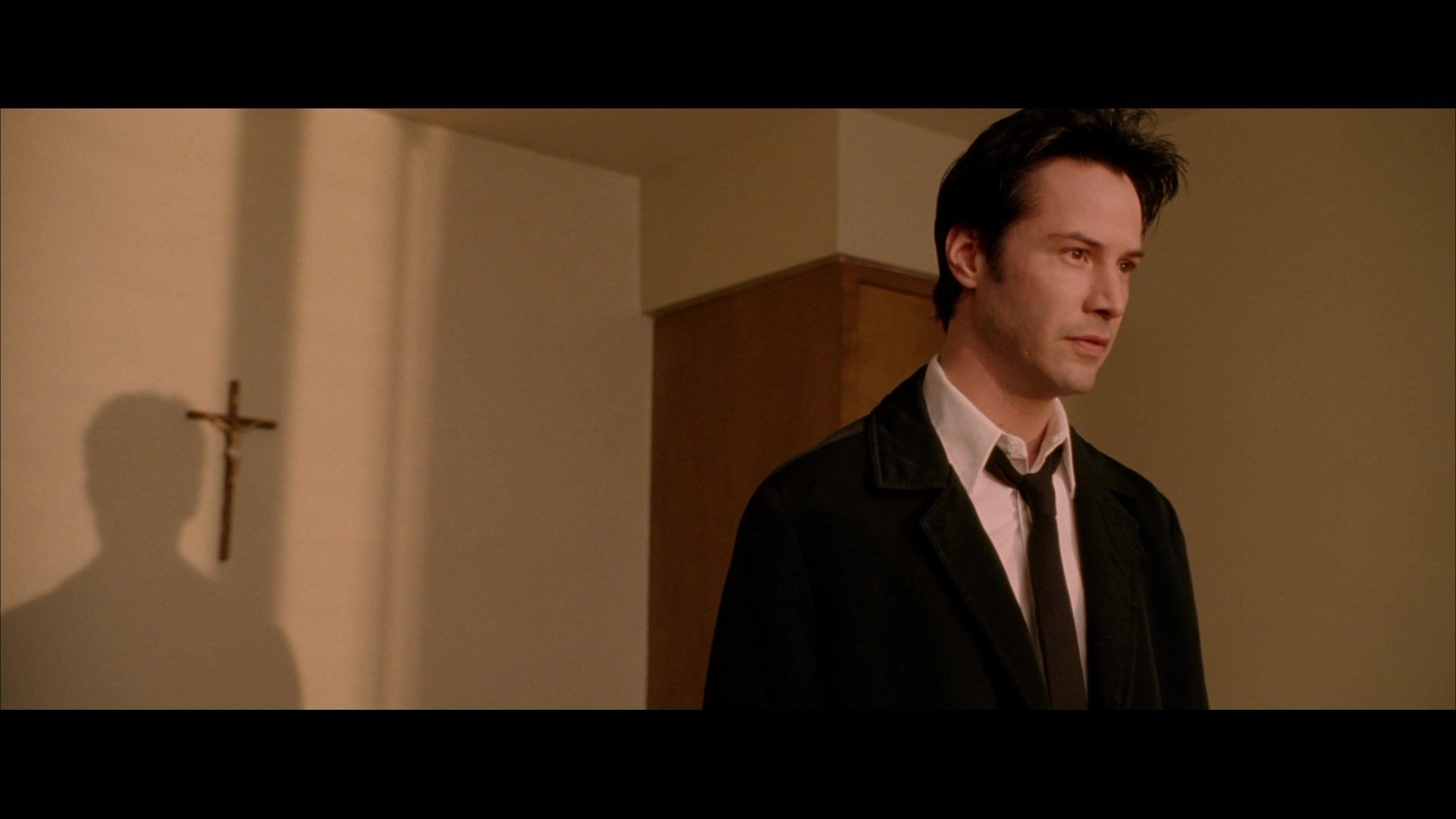
Visually, Constantine feels closer to a psychological thriller than a traditional superhero film.
Not flashy.
Not colorful.
Not trying to impress.
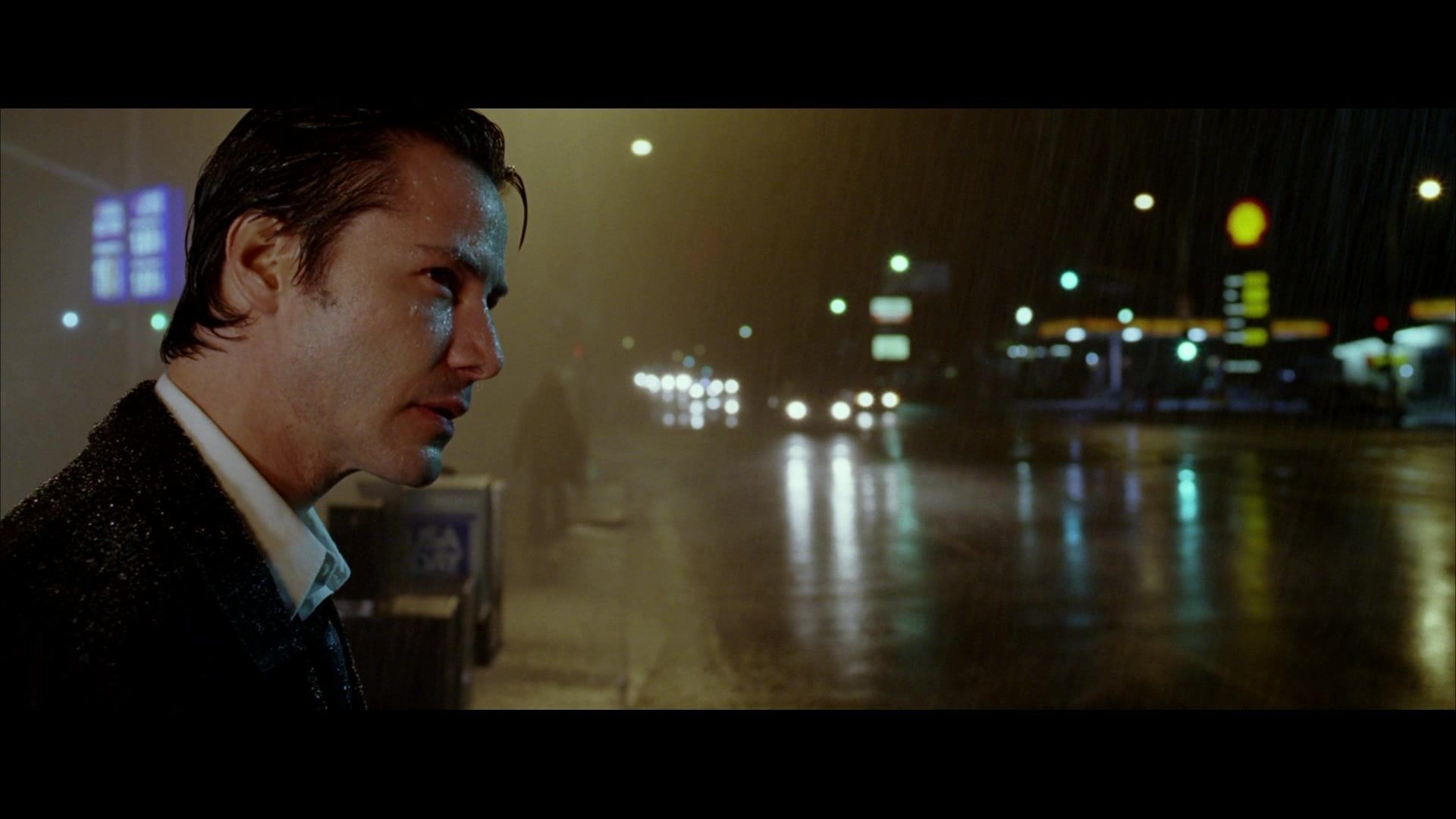
Instead, the film lives in muted greens, sickly yellows, smoke, shadow, and texture. The camera doesn’t chase excitement, it observes. The world feels polluted, spiritually and physically. Hell isn’t fire and spectacle. It’s a corrupted mirror of reality.
That restraint is why the film works today.
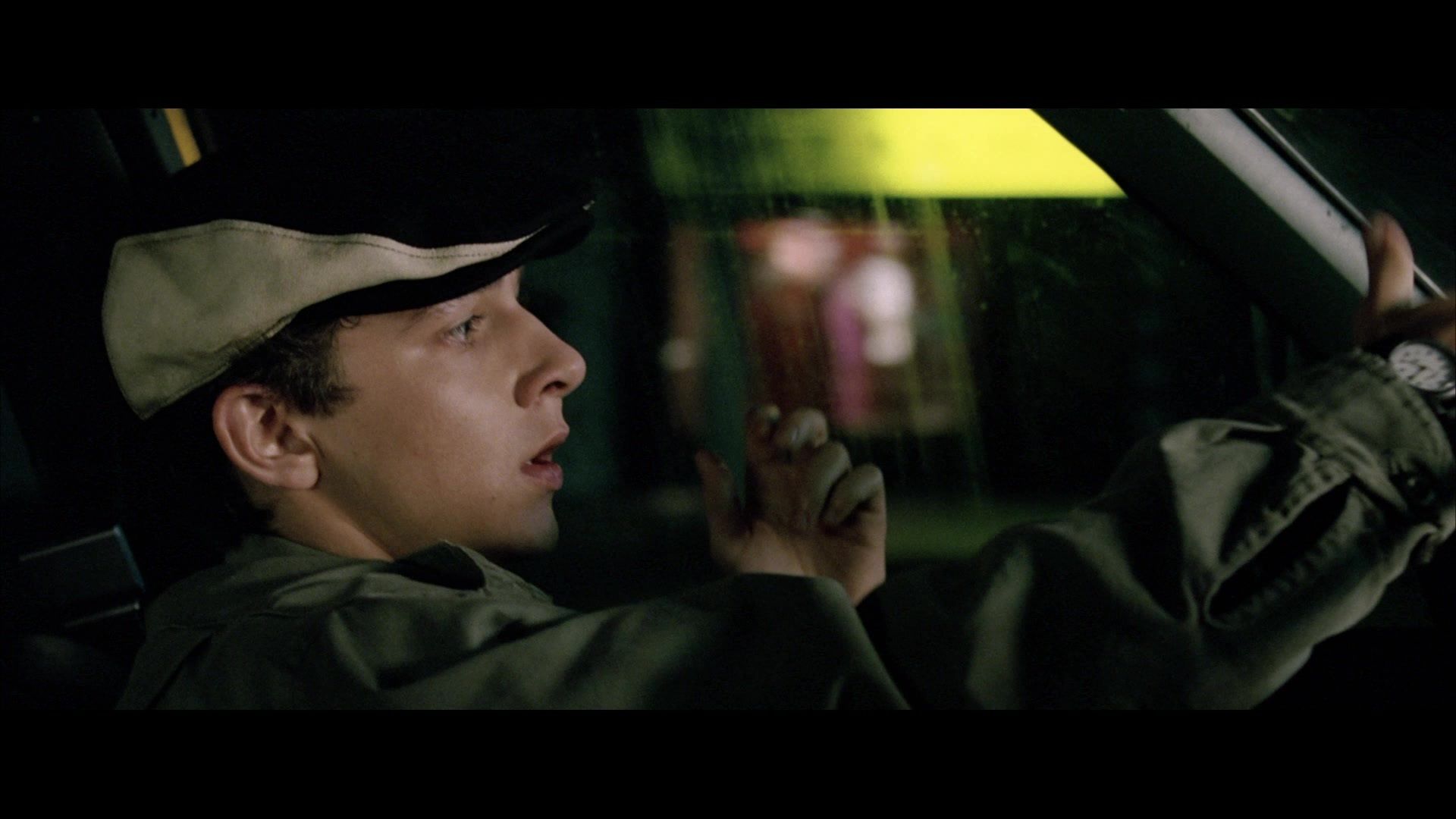
Modern films often over-explain visually. Constantine trusts atmosphere. It lets decay breathe. And because it never chased trends, it doesn’t feel dated.
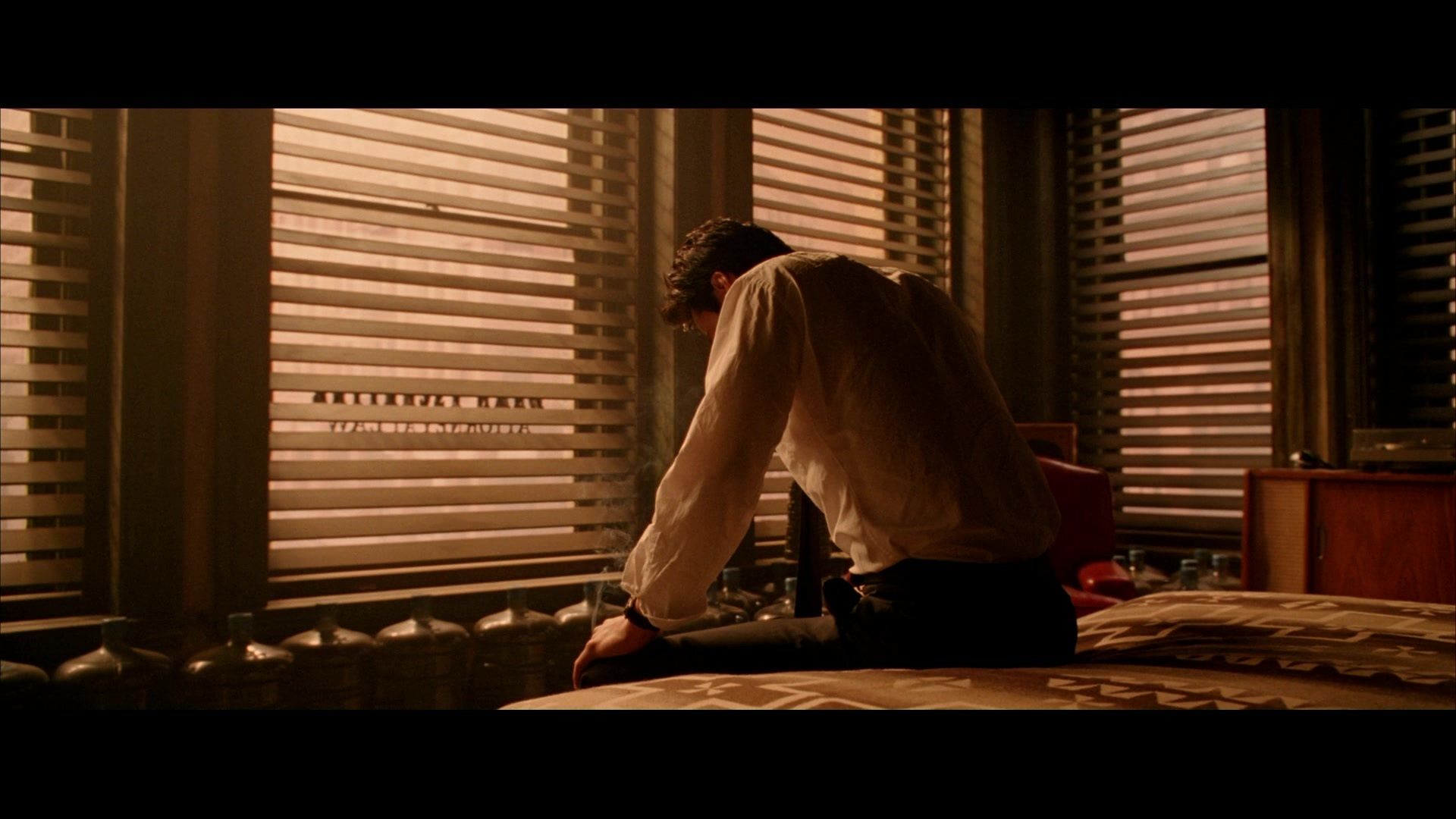
Keanu Reeves and the Anti-Hero Psychology
Keanu Reeves’ Constantine isn’t aspirational. He’s tired. Bitter. Arrogant. Haunted.
He doesn’t want to save the world, he wants out.
That psychology hits harder today than it did in 2005. We’re no longer interested in perfect heroes. We resonate with characters who understand the cost of awareness. Constantine isn’t fighting demons as much as he’s fighting the inevitability of who he’s become.
That’s why this performance has aged so well.
Tone: Faith Without Comfort
Constantine doesn’t sell belief, it interrogates it. There is no status-quo, only balance.
Heaven isn’t warm.
Hell isn’t theatrical.
Angels aren’t benevolent.
Demons aren’t always chaotic.
Everyone has an agenda.
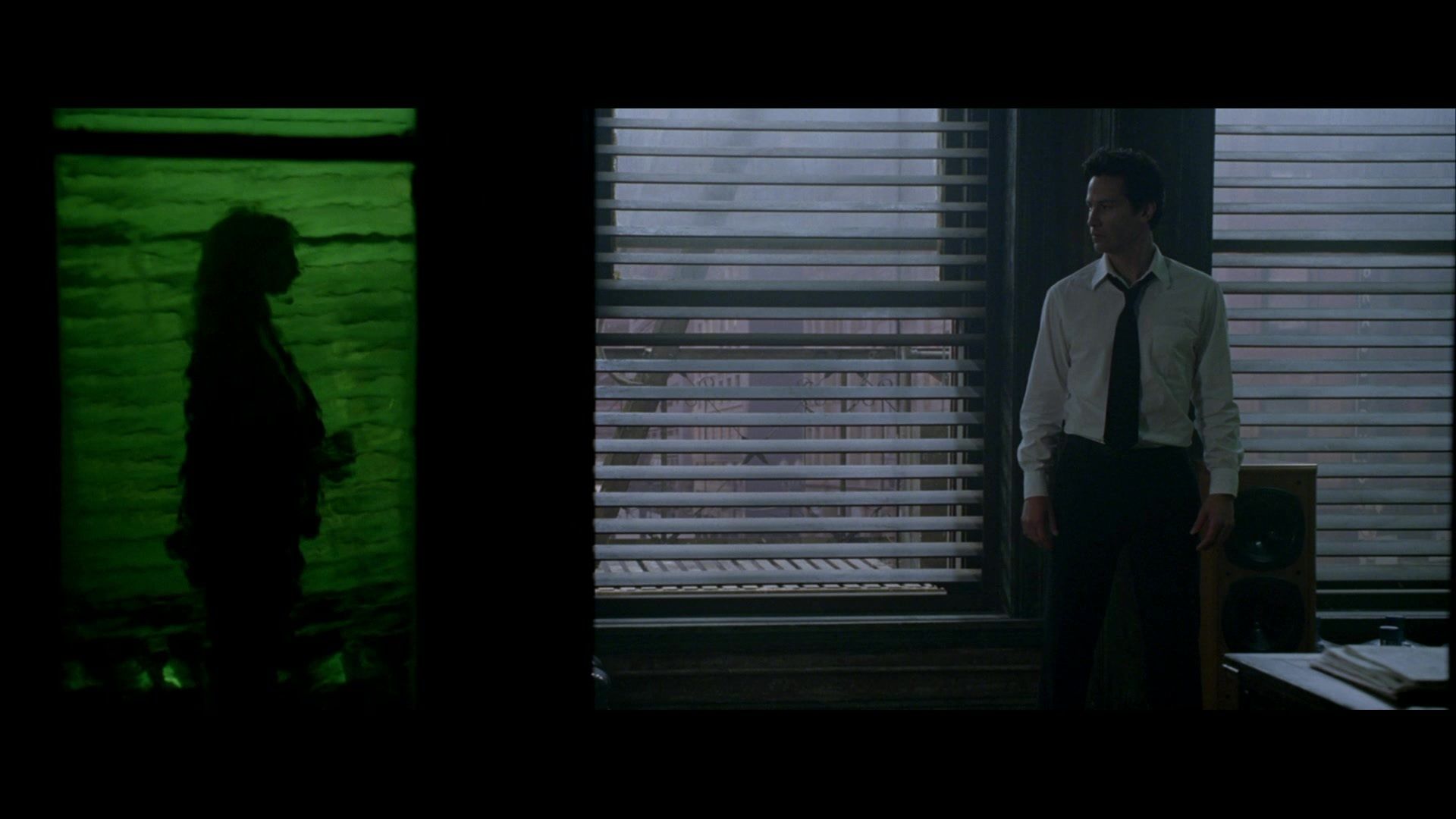
This mirrors the modern mindset. We question authority. We distrust institutions. We understand that belief systems, religious, political, technological are less about truth and more about control.
Lore as System, Not Spectacle
What Constantine does brilliantly is treat lore like infrastructure.
Rules matter.
Boundaries matter.
Intervention has consequences.
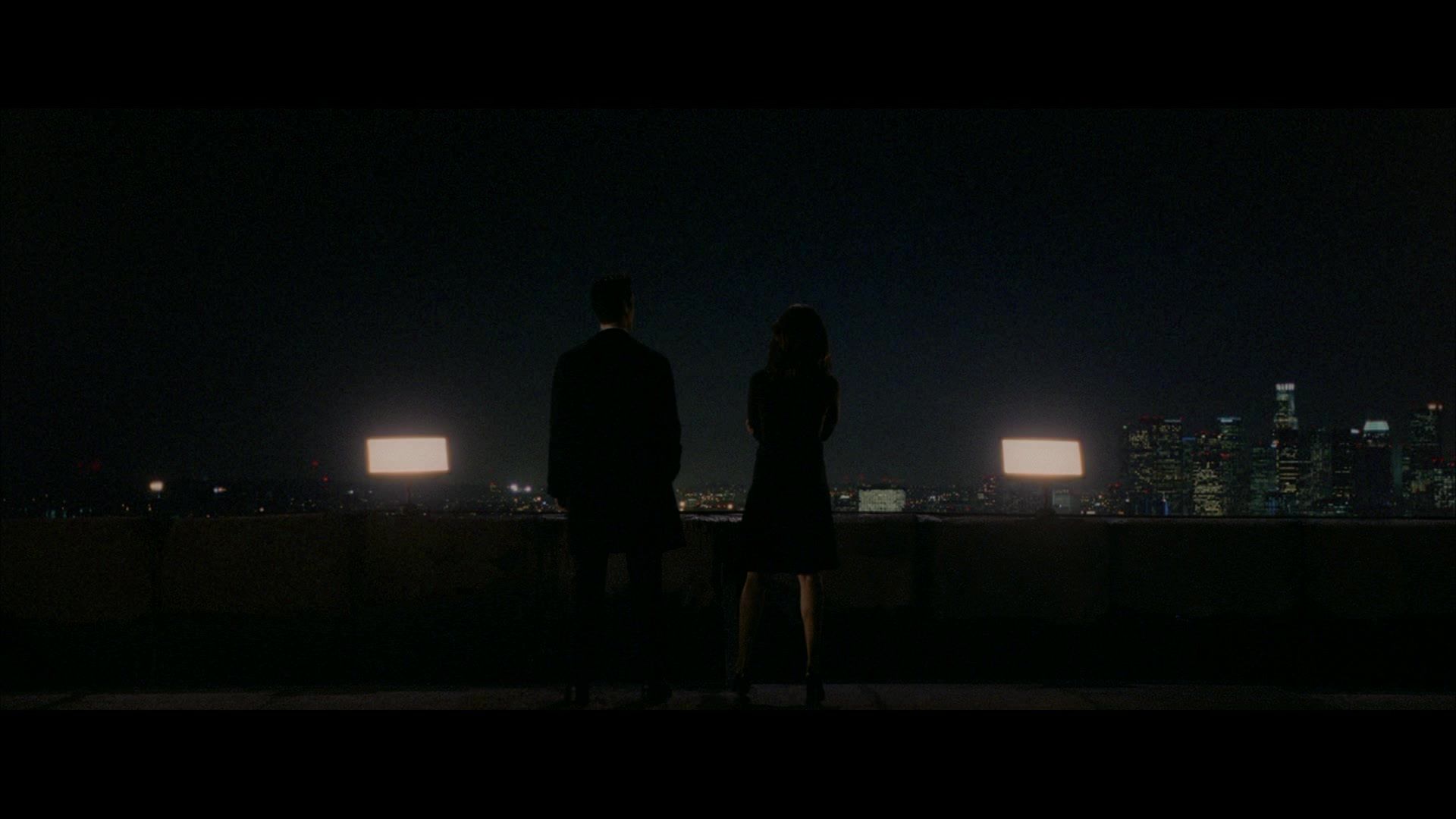
Hell and Heaven don’t interfere directly. They work through loopholes, permissions, and influence. This makes the supernatural feel designed, not magical, closer to systems theory than fantasy.
And that’s why it still works.
Granted, a lot isn’t explained, your meant to find your way in and make you discover what these themes actually mean. I love that, some would say things or characters don’t line up with their intentions, but not everything has to have an explanation. Characters can just exist without backstory, but were not here to discuss that. We want to know why this film works today and why some of the themes inspire today, especially in some of my work.
Inversion → Reversion: Angels, Demons, and the Cost of Choice
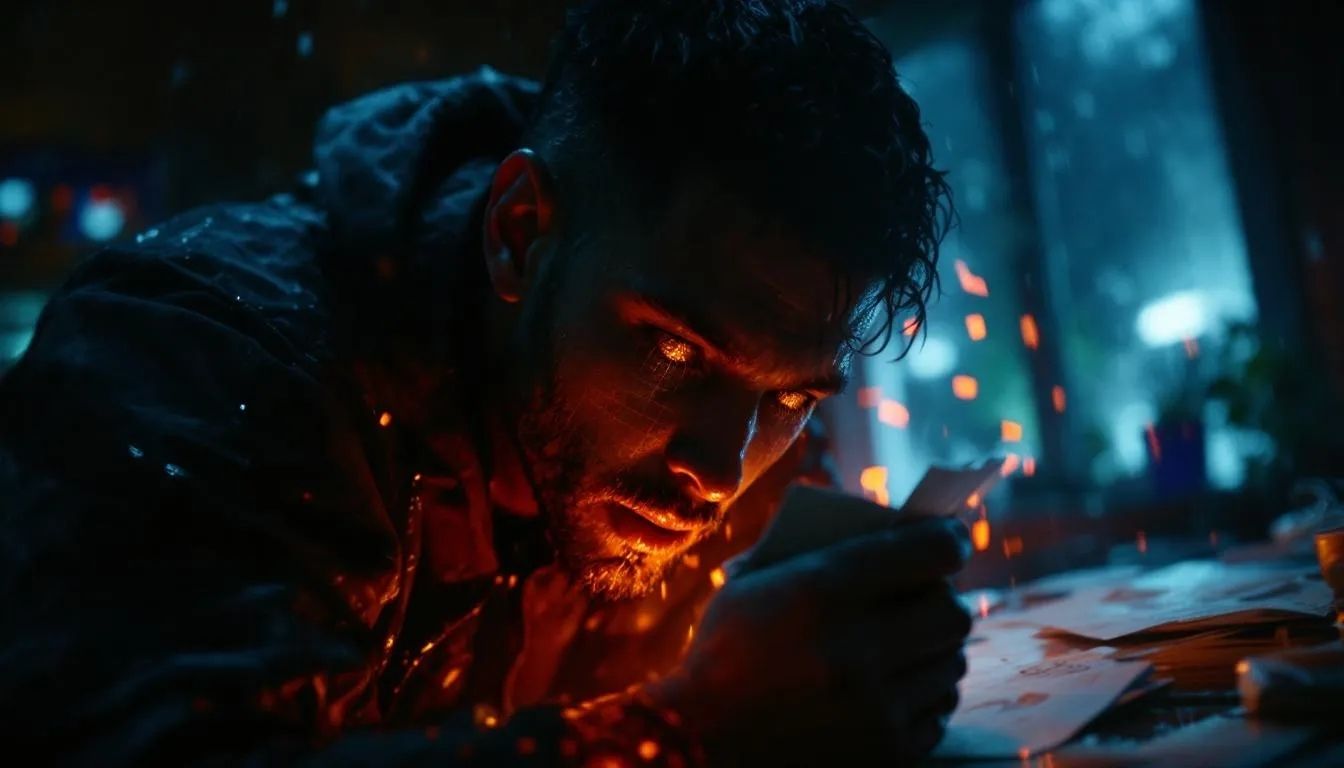
This is where Constantine quietly runs parallel to my latest short film, Inversion and the upcoming sequel, Reversion.
In Inversion, the revelation isn’t time travel, it’s recognition.
By the end, we realize that Ravin was never just a guide. He was Evan’s guardian a protector not from danger, but from temptation. From the small, easily justified decisions that don’t feel destructive in the moment, yet slowly shape the trajectory of a life.
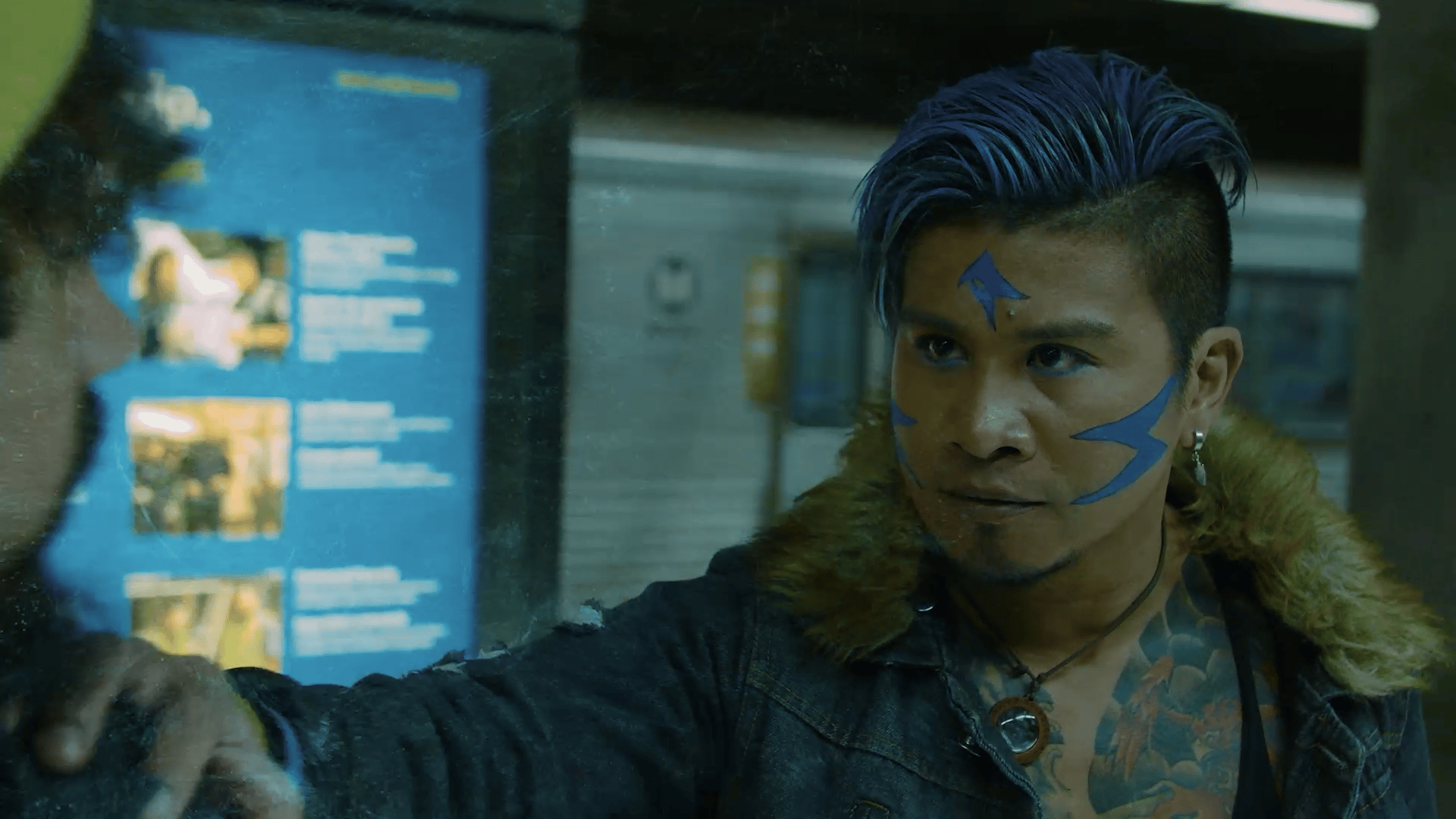
There’s a subtle nod to this in the final moments: a presence that feels almost like a snack demon, harmless, minor, dismissible. At the same time, there’s a sense of darkness looming over Evan. Not attacking him. Waiting.
That tension is intentional.
Because Inversion isn’t about good versus evil.
It’s about awareness versus impulse.
The Shift in Reversion
Reversion asks the inverse question:
What happens when temptation wins?
Where Inversion is about interruption someone stepping in to warn you, Reversion explores what it means to let go. To drift back into familiar patterns. To repeat decisions even when you know exactly where they lead.
Inverted becomes Reverted.
Protection becomes absence.
Guidance becomes silence.
Reversion exists within the parallel space of Heaven and Hell, not as destinations, but as states of being. Every choice creates a future self. And those future selves don’t disappear. They echo backward, shaping who you are becoming.
Good or bad.
Saved or lost.
Angels, Demons, and Psychological Horror
In Reversion, angels and demons are not mythological creatures.
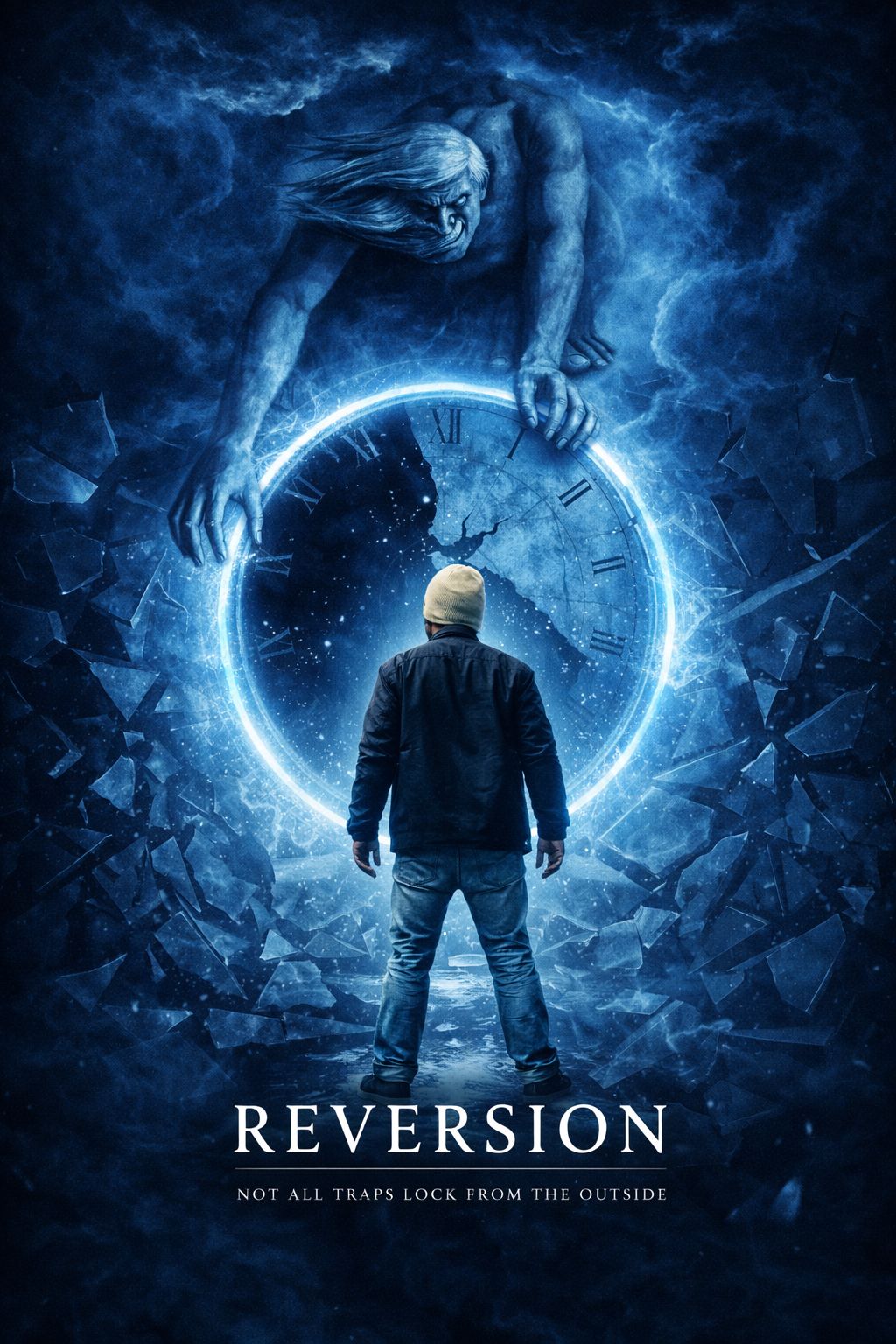
They are forces.
Angels represent restraint, clarity, and sacrifice.
Demons represent comfort, justification, and repetition.
Neither screams.
Neither forces your hand.
They simply wait.
And that’s where the real horror lives.
Why Constantine Works Better Now
I feel before things had to be canon, we had films that existed alone in their own worlds and didn’t follow any particular style, this felt like a Film. Raw and dark, nothing that said corporate about it. Now we get so much messaging with more chefs in the kitchen, the director really doesn’t have a voice.
Constantine isn’t trying to be funny or cool. It isn’t even concerned with strict comic accuracy. Instead, it builds a world rooted in religious balance, real-world consequence, and an ongoing interrogation of faith.
Tragedy isn’t a detour in this film, it’s a constant.
Good vs Evil.
Light vs Darkness.
Angles vs Demons.
Just like Constantine, Reversion treats Heaven and Hell as systems, not spectacle. Intervention has limits. Protection runs out. No one saves you forever.
Eventually, what remains is the version of you shaped by every decision made when no one was watching.
Some films are meant to entertain once.
Others are meant to wait for you to catch up.
Constantine waited.
If this kind of breakdown resonates, there’s more coming.
Film Interiors will be a recurring series where we explore inside films worth revisiting, studied through psychology, tone, and design, from a different angle.
Have an amazing day!
- Rod